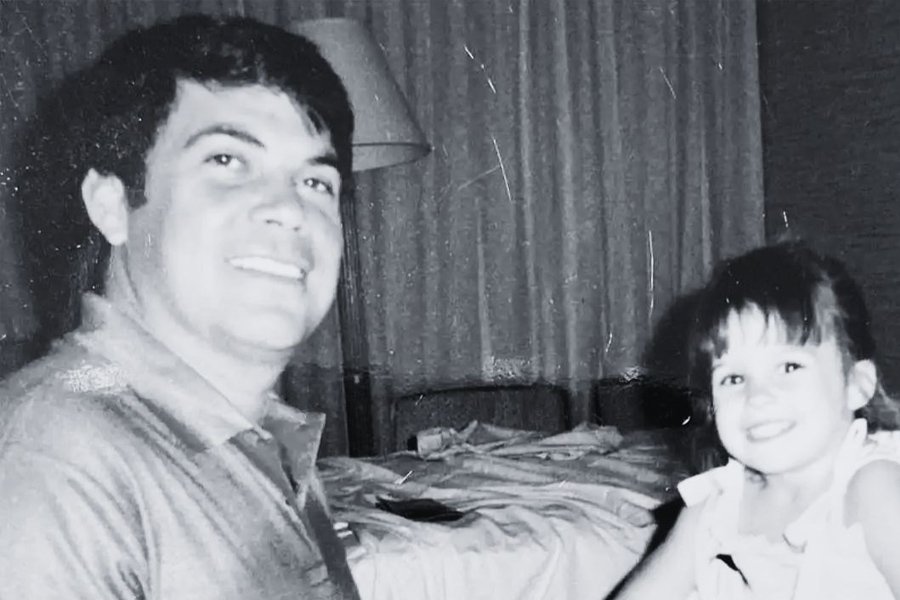
A private patriarch with Louisiana roots
Tony Chabert remains a largely private figure, yet his family story carries unusual cultural texture. He is best known as the father of actress Lacy Chabert. He also stands as the familial anchor of a close knit household shaped by Louisiana and Cajun heritage. Public notes describe him as French speaking and rooted in a Cajun background. That detail gives his life a regional resonance that feels both intimate and enduring. His public image is sparse, but his influence appears wide inside the family circle.
The available portrait of Tony is not glamorous. It is practical, steadfast, and deeply domestic. He appears in biographical mentions rather than interviews. That absence of spotlight does not suggest absence of significance. Instead, it suggests a life built around labor, kinship, and continuity. In many families, the most consequential person is not the most visible one.
Family structure and shared identity
The Chabert family has several names that recur in public references. That repetition can confuse readers, especially because one of Tony’s children shares his name. The father is Tony Chabert, while the younger son is Tony J. Chabert, often called T.J. Their separate identities matter. One is the patriarch. The other is the younger sibling whose health became a public concern in 2016.
| Family Member | Relationship | Public Note |
|---|---|---|
| Julie Johnson Chabert | Spouse or partner | Mother figure in family mentions |
| Lacy Chabert | Daughter | Actress with a public career |
| Wendy Chabert | Oldest sister | Referred to in family accounts as deceased in late 2021 |
| Chrissy Chabert | Older sister | Part of the sibling group |
| Tony J. Chabert | Younger brother | Also called T.J. |
| Julia Mimi Bella Nehdar | Granddaughter | Born in September 2016 |
This family layout reveals a household shaped by continuity and attachment. The public narrative often circles around family milestones rather than individual achievement. That pattern is important because it frames Tony as more than a name in a biography. He is the connective tissue in a multigenerational story. His role appears foundational, even when spoken softly.
Cajun heritage and the atmosphere of home
Tony’s background is described as French speaking and Cajun. That heritage implies more than ethnicity alone. It evokes foodways, speech patterns, music, and a communal cadence. Louisiana Cajun identity often prizes resilience, humor, and practical skill. Those traits fit the public sketch of Tony well. He is often imagined as the kind of man who repairs what is broken and steadies what is wavering. The image is not theatrical. It is elemental.
This kind of upbringing can shape a family in subtle ways. Children raised in such homes often absorb discipline, loyalty, and a strong sense of belonging. They also inherit a cultural memory that values modesty. Public fame may later enter the family through Lacy, yet the groundwork was laid much earlier. The household rhythm appears rooted in ordinary labor and uncommon cohesion. That blend often leaves a lasting imprint.
Tony’s cultural background also helps explain why family is so central in descriptions of him. Cajun and French speaking lineages often preserve identity through domestic ritual. Meals, stories, birthdays, and faith can become repositories of inheritance. Even without a flood of public statements, the family seems to carry those markers. The result is a story that feels lived in rather than curated. That quality gives Tony’s profile its quiet force.
Work life and the dignity of maintenance
Public biographies describe Tony Chabert as having worked in maintenance and operations for an oil company. That detail is essential. It places him in a hands on profession where precision matters. It also suggests a life spent supporting systems that others take for granted. Such work is often invisible until something fails. In that sense, his occupation mirrors his public role in the family. He seems to belong to the unseen infrastructure.
Maintenance work requires patience, diagnostic skill, and perseverance. Operations work demands order and vigilance. These are not ornamental virtues. They are necessary habits. A home shaped by such values often teaches children that effort matters more than spectacle. That lesson can prove powerful. It can produce adults who appreciate craft, responsibility, and earned achievement.
This professional background also adds texture to the family narrative. Lacy Chabert later became a recognizable actor. Yet her upbringing appears to have been grounded in a household that honored labor. That contrast is striking. It shows how a family can bridge two worlds, one practical and one public. Tony seems to belong to the first world, while helping make the second possible.
Important dates in the family timeline
The Chabert family timeline includes several dates that shaped public attention. Each date marks a different emotional register. Together, they form a sequence of celebration, concern, and loss.
| Date | Event |
|---|---|
| December 2013 | Lacy Chabert married David Nehdar |
| March 2016 | Tony J. Chabert was publicly noted as facing leukemia |
| September 2016 | Julia Mimi Bella Nehdar was born |
| November 2021 | Family references noted the passing of Wendy Chabert |
These dates matter because they show how family life unfolded in distinct phases. December 2013 brought marriage and a new chapter. March 2016 brought fear and solidarity. September 2016 introduced a new generation. November 2021 brought grief and remembrance. For a private family, such dates become emotional landmarks. They are the timestamps of a shared interior history.
The birth of Julia Mimi Bella Nehdar also widened Tony’s family identity. He became a grandfather within the public record. That shift often alters a family’s emotional center. It places ancestry beside futurity. It also reminds us that private lives continue evolving beyond public notice. Tony’s role likely expanded from father to grandfather with no media fanfare. That understated transition suits the tone of his broader biography.
Public visibility and the absence of loud biography
Tony Chabert does not occupy a standard celebrity lane. He does not appear to seek interviews, profiles, or self branding. His name surfaces mainly through family references and hometown style mentions. That low visibility is meaningful. It shows that not every influential person wants a public platform. Some prefer a quieter authority.
There is no reliable public estimate of Tony’s net worth. That absence is itself telling. It distinguishes him from celebrity culture, where numbers often overshadow nuance. Public financial chatter generally focuses on Lacy, not on her father. That contrast reflects the difference between earned privacy and marketable fame. Tony remains outside the usual publicity economy.
This lack of a financial profile does not diminish his significance. It may actually sharpen it. A person without a public brand can still shape a family’s values, tone, and resilience. Tony’s story suggests exactly that. He seems to have built a stable life without converting it into spectacle. In a media climate that rewards excess, that restraint feels almost uncommon.
Family visibility in moments of strain and celebration
The Chabert family entered broader public awareness during moments that were emotionally charged. In 2016, news around Tony J. Chabert’s leukemia created concern and compassion. That episode revealed how family hardship can draw public empathy. It also showed how close the family remained under pressure. Their public reactions appeared grounded in care rather than performance.
The birth of Julia Mimi Bella Nehdar later in 2016 offered a counterweight to that strain. New life arrived in the same year as serious illness. That juxtaposition gave the family narrative an unusually vivid shape. It contained both peril and renewal. Those contrasts can deepen family bonds. They also highlight the emotional complexity of ordinary households.
By 2021, references to Wendy’s passing introduced another sorrow. Loss alters family memory. It changes who is spoken about and how. For Tony, such events likely sharpened the importance of kinship. Private families often endure through exactly this combination of joy and grief. The Chabert family appears to be no exception.
Key Takeaways
Tony Chabert is best understood as a private Louisiana patriarch with Cajun roots. His public identity centers on family, not celebrity. He is known as the father of actress Lacy Chabert and the partner of Julie Johnson Chabert. Public accounts describe him as having worked in maintenance and operations for an oil company. That background suggests a practical and disciplined life.
The family story includes several important dates. December 2013 marked Lacy’s marriage. March 2016 brought concern over Tony J. Chabert’s leukemia. September 2016 welcomed Julia Mimi Bella Nehdar. November 2021 marked the reported passing of Wendy Chabert. These moments reveal a family shaped by joy, strain, and remembrance.
Tony’s public silence is part of his meaning. He seems to embody the quiet labor that sustains a household. His story is not built on headlines. It is built on continuity, regional identity, and familial devotion.